When it comes to Vascular Access, using aCvc Catheteris pretty much a standard practice. Dr. John Stevens, who’s pretty well-versed in vascular medicine at CardioHealth Inc., points out that, "Managing Cvc Catheters properly can really help cut down on complications." It’s a reminder of how important it is to handle these devices safely and correctly in clinical settings.
Cvc Catheters are a lifesaver for patients who need long-term IV therapy, but let's be honest—using them isn’t always straightforward. All too often, healthcare providers might skip over some basic guidelines for inserting and caring for these catheters, which can lead to risks like infections or blockages. Knowing the best practices—and being aware of common mistakes—is super important.
Even with all the new techniques out there, I get it—some folks might find the procedures a bit intimidating at first. The truth is, there’s always room to learn and get better. Looking back at what’s worked (and what hasn’t) can really help improve how we manage these catheters. When providers stay focused on safety and efficacy, they can really make a difference, ensuring patients get the best possible outcomes with their Cvc Catheters.
Understanding CVC Catheters: Definition and Purpose
Central venous catheters (CVCs) are essential tools in modern medicine. They enable healthcare providers to administer medications, fluids, and nutrition directly into the bloodstream. This method is especially vital for patients requiring long-term treatment or those with difficult Venous Access. Understanding the definition and purpose of CVCs helps in appreciating their role in patient care.
CVCs are typically inserted into a large vein, often in the neck, chest, or groin. This allows for efficient treatment. However, improper use can lead to complications such as infections or blood clots. For example, a misplaced catheter can easily cause serious harm. Training and experience are crucial to minimizing these risks.
Despite their benefits, CVCs require careful monitoring. Nurses and doctors must check for signs of infection at the insertion site. Regular cleaning and maintenance are vital to prevent complications. While CVCs are lifesaving devices, they need cautious handling and constant vigilance. Every healthcare provider should reflect on their methods and ensure they are using CVCs safely and effectively.
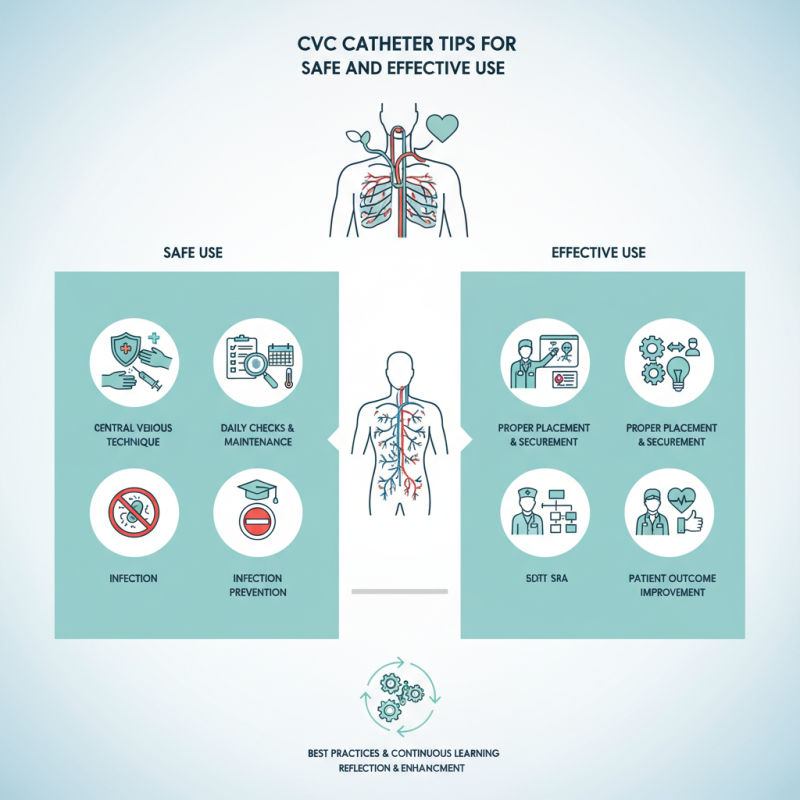
Cvc Catheter Tips for Safe and Effective Use
| Tip | Description | Frequency |
| Insertion Technique | Ensure aseptic technique is used to minimize infection risk during catheter insertion. | Every insertion |
| Site Selection | Choose an appropriate anatomical site based on patient’s condition and line duration. | Every procedure |
| Documentation | Document catheter insertion details, including site, date, and any complications. | Every insertion |
| Daily Assessments | Assess the status of the CVC daily for signs of infection or complications. | Daily |
| Flush Protocol | Implement a standardized flush protocol to maintain catheter patency. | Every shift |
| Dressing Change | Change sterile dressings regularly and whenever they become soiled. | Every 7 days |
Types of CVC Catheters: Selection Based on Patient Needs
Choosing the right CVC catheter is crucial for patient care. Each patient's needs can differ significantly. Factors such as vein size, duration of usage, and the specific treatment plan play vital roles in catheter selection. For short-term treatment, a peripheral inserted central catheter may be appropriate. This option is less invasive and can be placed quickly.
On the other hand, a Cvc Hd Catheter might be more suitable for long-term use. It accommodates regular access while minimizing the risk of complications. However, it requires careful maintenance. Some healthcare providers may overlook the importance of proper care routines. This negligence can lead to infections or occlusions, causing delays in treatment.
When assessing your options, consider the patient's lifestyle and overall health. Some patients may prefer a less visible option due to personal or psychological factors. Understanding these preferences is essential. It ensures compliance and enhances the patient's experience. Selecting the right CVC catheter is about more than just functionality; it's about the individual they serve.
Preparing for CVC Insertion: Essential Steps and Precautions
Preparing for the insertion of a Central Venous Catheter (CVC) requires meticulous attention. Studies indicate that improper preparation can lead to a 20% increase in complications. Understanding these risks is vital for optimal patient outcomes.
Before proceeding, clinicians must ensure appropriate sterile technique. This involves washing hands thoroughly and using sterile gloves. A study from the Journal of Vascular Access highlights that only 60% of healthcare providers adhere to these critical protocols. Such lapses can lead to infection and other serious complications during CVC usage.
Patient assessment is another crucial step. Checking for anatomical considerations can prevent difficulties during insertion. For instance, the internal jugular vein is a common site, but variations exist. Up to 15% of patients may have anatomical challenges. Understanding this ensures safe placement of the Acute Cvc Catheter. Also, having the right tools ready and checking equipment can minimize delays during the procedure. These steps enhance the effectiveness of CVC use, making careful preparation non-negotiable.
CVC Catheter Insertions: Complication Rates Over Time
Insertion Techniques for CVC Catheters: Best Practices
When inserting central venous catheters (CVC), proper technique is crucial. The right approach can prevent complications such as infection or thrombosis. Begin by ensuring the area is clean. Use antiseptic solutions and proper sterile techniques. This is a must.
Choosing the insertion site carefully is important. Common sites are the internal jugular, subclavian, and femoral veins. Each site has its own risks and benefits. For instance, the internal jugular may yield quicker access but poses a higher risk for pneumothorax. Make sure to assess patient anatomy.
During insertion, tension on the catheter should be minimal. Aim for a smooth and controlled placement. Sometimes, resistance occurs, which may indicate a problem. Don’t force it. Instead, pause to reevaluate. Complications can arise quickly if caution isn’t exercised. Attention to detail here is essential for patient safety. Each step matters.
Post-Insertion Care: Monitoring and Maintenance Tips
Post-insertion care for CVC catheters is crucial for patient safety. Regular monitoring is essential. Check the insertion site daily for redness or swelling. These signs could indicate an infection. Feel the area around the catheter. Any unusual warmth might also be a concern. Keeping a watchful eye helps catch problems early.
Maintenance of the Cvc Catheter Parts is equally important. Ensure the dressing remains clean and dry. Change it at specified intervals. If it becomes wet or soiled, replace it immediately. Use sterile techniques during any catheter manipulations. This helps prevent contamination. Flush the catheter regularly as per guidelines. Observe for resistance during flushing. This could signal a blockage.
Patients and caregivers should communicate regularly. Report any discomfort or changes. It may seem small, but these details can prevent serious issues. Instead of taking a "no news is good news" approach, being proactive is vital. Simple observations can lead to major improvements in patient outcomes.
Potential Complications: Identifying and Managing Risks
Central venous catheters (CVCs) are vital in modern healthcare. However, they come with risks. One significant complication is the infection risk associated with improper insertion or maintenance. Catheter-related bloodstream infections can occur if sterile techniques are not strictly followed. Signs of infection include redness, swelling, or fever. It is crucial to monitor these symptoms closely. Regular assessments and prompt actions may prevent severe outcomes.
Another concern is thrombosis. CVC placement can lead to the formation of blood clots. Symptoms may include swelling, pain, or tenderness along the catheter path. Early detection is essential. Routine checks should be a standard practice. Moreover, catheters can sometimes migrate or become dislodged, creating additional challenges.
Recognizing these potential complications is just the beginning. Education and ongoing training are needed to address these risks effectively. Reflection on past experiences and protocols can guide improvements in practice.
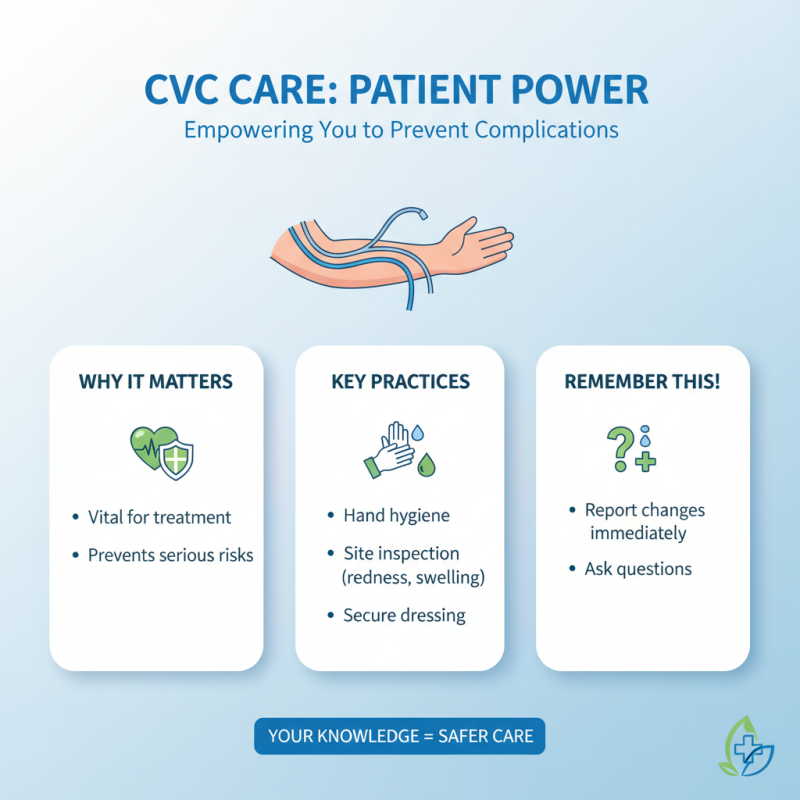
Patient Education: Informing About CVC Care and Safety
Understanding the importance of CVC care is crucial for patients. Central venous catheters (CVC) are vital for many medical treatments. However, improper handling can lead to serious complications. Patients must learn how to take care of their CVC effectively. This knowledge empowers them and helps prevent potential risks.
Educating patients about different Cvc Catheter Types is essential. Each type has unique care requirements. For example, some may need regular flushing while others have specific dressing needs. Patients should know these details to maintain their CVC properly. Questions often arise: What if the site looks red? Or, how do I know if it is clogged? Addressing these worries is vital, and the answers should be easily accessible.
It's common to overlook certain care steps. Maybe they forget to wash their hands before touching the catheter. Perhaps they don’t change the dressing as recommended. These small oversights can lead to significant issues. Patients should always reflect on their practices. Regular check-ins with healthcare providers can ensure that they are on the right track. This partnership strengthens patient safety and enhances treatment efficacy.
Exploring the Benefits and Applications of Guiding Catheters in Modern Medical Practices
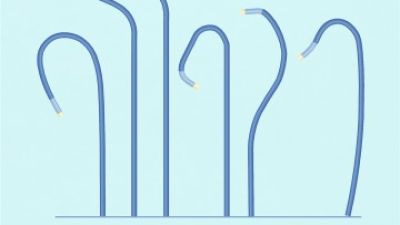
Guiding catheters play a pivotal role in modern medical practices, particularly during cardiovascular intervention surgeries. These specialized devices are integral to procedures such as coronary artery interventions and peripheral vascular interventions. By providing a stable and reliable pathway, guiding catheters ensure that subsequent instruments—such as balloon catheters and stents—can navigate through the complex vascular system and reach the targeted lesion site efficiently.
The benefits of using guiding catheters are manifold. First and foremost, they enhance the precision of interventions, reducing the risk of complications and improving patient outcomes. The stability that these catheters offer allows surgeons to maneuver delicate instruments seamlessly, minimizing damage to surrounding tissues and structures. Additionally, their design facilitates easier access to challenging anatomical locations, which is crucial for successful interventions in patients with intricate vascular layouts.
Furthermore, the adaptability of guiding catheters to various procedural needs underscores their importance in contemporary medical settings. As techniques and technologies evolve, these devices continue to support a range of applications beyond traditional surgeries. By embracing innovations in guiding catheter design, healthcare professionals can ensure that they are equipped with the most effective tools to tackle the complexities of cardiovascular diseases, ultimately enhancing the quality of patient care.
FAQS
: The article aims to provide information and insights on a specific topic.
You can apply the concepts by integrating them into your daily life or practices.
Yes, examples help clarify the ideas presented and offer practical applications.
Reflect on the perspectives shared and consider your own viewpoint respectfully.
The article may mention other resources for further exploration of the topic.
Some challenges include misinterpretation of information or lack of clarity in application.
Regularly reviewing can reinforce understanding and inspire action in your life.
Yes, sharing can encourage discussion and deeper understanding among peers.
Consider seeking out experts or engaging in discussion with others interested.
Definitely, personal experiences can shape how you understand and implement the ideas.
Conclusion
CVC catheters, or central venous catheters, are crucial medical devices used for various clinical purposes, including medication administration and fluid management. Understanding their definition and purpose, as well as the different types available, is essential for selecting the right catheter based on patient needs. Proper preparation for CVC insertion involves following essential steps and precautions to minimize risks and ensure patient safety.
Best practices for insertion techniques are vital to prevent complications during the procedure. Post-insertion care includes monitoring and maintenance tips to ensure the catheter functions effectively while identifying and managing potential complications. Educating patients about CVC care and safety promotes better outcomes and empowers them to report any concerns. Overall, safe and effective use of CVC catheters hinges on a combination of careful preparation, precise insertion, diligent care, and comprehensive patient education.